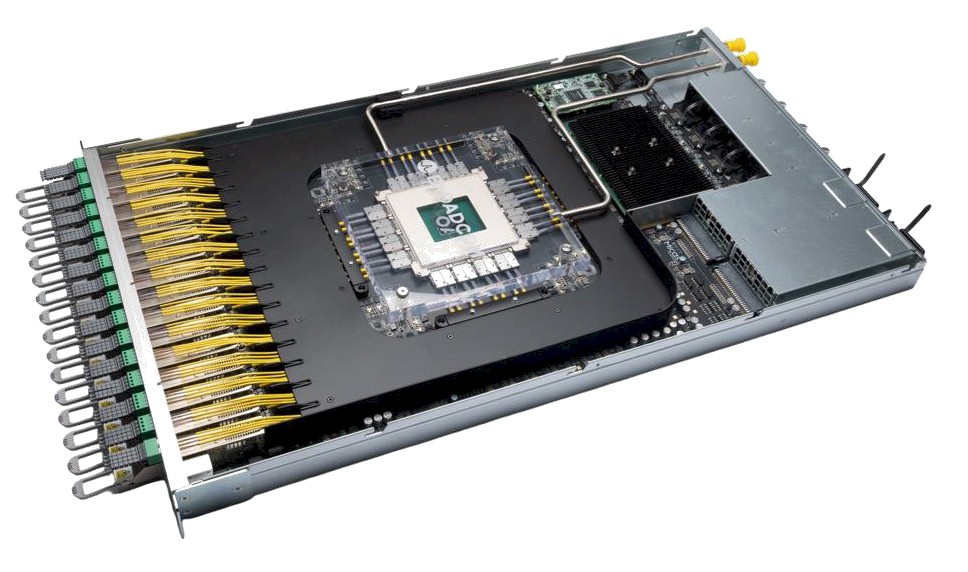
Copackaged optics represents a fundamental shift in how data centres operate, one that challenges decades of established practice and reveals the hidden costs built into our digital infrastructure.
For years, the technology industry has operated under an unspoken arrangement: to move data faster, consume more power. This trade-off, accepted as inevitable, has shaped everything from facility design to national energy policy. Yet this arrangement was never natural or necessary. It was the product of specific engineering choices made when bandwidth demands were lower and energy costs mattered less. Those conditions no longer hold.
The Architecture of Inefficiency
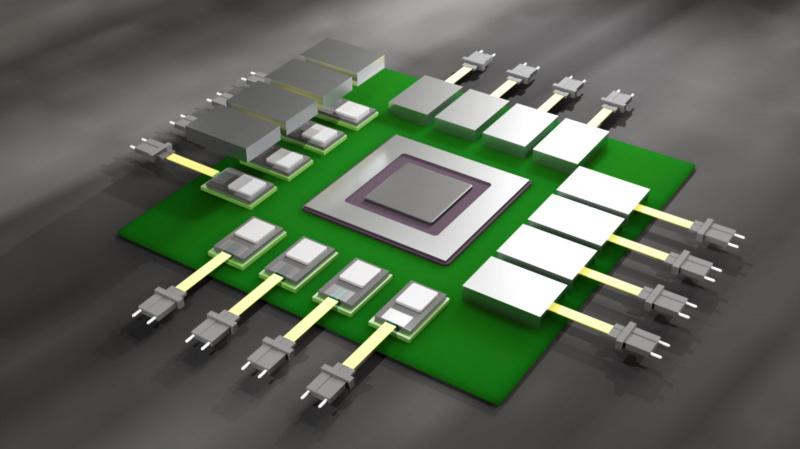
To understand what Copackaged optics disrupts, one must first examine what came before. Traditional network switches place optical transceivers at the front panel, separated from the processing chip by copper traces running across a printed circuit board. This architecture emerged not from technical necessity but from manufacturing convenience and modularity.
The distance between chip and optics, typically several centimetres, creates a cascading series of inefficiencies. Electrical signals degrade over this span, requiring amplification. Signal integrity deteriorates, demanding correction circuits. Heat accumulates, necessitating cooling. Each of these requirements consumes power, and that power consumption scales with data rates.
At 100 gigabits per second, these inefficiencies were manageable. At 400 gigabits, they became problematic. At 800 gigabits and beyond, they threaten to make further progress economically and environmentally unsustainable.
The Singapore Context
Singapore’s position illuminates these challenges with particular clarity. The nation hosts some of Asia’s most advanced data centres, yet operates under constraints that expose every inefficiency. Land is scarce and expensive. Electricity costs run high. The tropical climate means cooling demands never relent.
These conditions have created what amounts to a natural laboratory for efficiency-focused technologies. When energy savings translate directly into competitive advantage, adoption follows swiftly. As one infrastructure specialist working in Singapore’s technology sector observed, “Copackaged optics is not just about technical performance. It is about whether our data centres remain economically viable as power costs rise and environmental regulations tighten.”
The comment reveals an uncomfortable truth: the current architecture of data networking may not survive the twin pressures of increasing demand and decreasing tolerance for energy waste.
How Copackaged Optics Restructures the System
The technology achieves its gains through radical proximity. By placing optical components directly onto or within the switch package, Copackaged optics eliminates most of the electrical path that generates waste. The benefits cascade:
Power Reduction
Energy consumption drops by 30 to 40 per cent compared to traditional pluggable optics, a saving that compounds across thousands of switches
Thermal Efficiency
Integrated cooling systems manage heat more effectively than separate thermal solutions for chips and optics
Signal Integrity
Shorter electrical paths mean cleaner signals with less need for power-hungry correction circuits
Space Utilisation
Higher port density in smaller footprints addresses Singapore’s land constraints directly
These advantages do not appear by accident. They result from questioning assumptions that had calcified into standard practice.
The Power Structure of Network Technology
What makes copackaged optics significant extends beyond engineering. The technology shifts power relationships within the technology supply chain. Traditional architectures allowed component modularity, where different suppliers provided chips, optics, and circuit boards that operators assembled according to preference. This modularity distributed control and risk.
Copackaged optics concentrates these elements into integrated systems. Manufacturing becomes more complex. Supply chains must coordinate more closely. The shift favours organisations with resources to manage integration and standardisation.
Singapore’s embrace of this technology reflects a calculated bet that the efficiency gains outweigh the loss of modularity. “We are moving from an era where flexibility was paramount to one where efficiency determines survival,” noted a senior policy adviser involved in the nation’s digital infrastructure planning. “Copackaged optics represents that transition.”
Uncovering Hidden Costs
The archival record of network technology, if one existed, would reveal a pattern: solutions that appeared optimal at one scale become obstacles at the next. The separation of optics from electronics made sense when bandwidth requirements were modest and power consumption mattered little. That logic has inverted.
Data centres in Singapore now face situations where power costs exceed equipment depreciation. Cooling infrastructure represents the single largest operational expense. Under these conditions, technologies that reduce power draw by even 10 per cent justify significant capital investment. At 30 per cent reductions, the economic case becomes overwhelming.
Yet adoption requires confronting entrenched interests and established practices. Technicians trained on pluggable optics must learn new systems. Procurement processes built around modular components must accommodate integrated solutions. Standards bodies must negotiate between competing visions of how the technology should evolve.
The Weight of Infrastructure Decisions
These transitions carry consequences that extend beyond quarterly earnings or technical specifications. Energy consumption in data centres contributes meaningfully to national carbon footprints. Singapore’s commitment to reducing emissions by 2030 makes data centre efficiency a matter of meeting international climate obligations.
The choice to adopt or delay copackaged optics becomes, in this light, a choice about what kind of digital infrastructure the nation will build and what environmental legacy it will leave. These are not merely technical decisions but expressions of values and priorities.
A Technology at the Threshold
The trajectory appears clear even if the timeline remains uncertain. As bandwidth demands continue their exponential climb and environmental pressures intensify, the inefficiencies of traditional architectures become untenable. Copackaged optics offers a path forward, though not without complications and trade-offs.
For Singapore, early adoption positions the nation as a testing ground for technologies that will eventually spread globally. The lessons learned in tropical data centres, where every watt matters and every degree of heat must be managed, will inform deployments across climates and contexts. What works here, under these demanding conditions, will likely work anywhere. The future of efficient, sustainable networking may well be taking shape in Singapore’s data halls, driven by the imperatives of geography, climate, and the unyielding mathematics of Copackaged optics.