Concrete spalling is a common issue in coastal climates, and Honolulu’s salt air can accelerate damage. Chips, flakes, and exposed steel can look minor at first, yet the problem can spread quickly. Early repairs protect structural integrity and help property owners avoid larger restoration costs.
The right repair approach depends on the cause, the depth of damage, and the condition of reinforcing steel. Spall repair specialists in Honolulu, HI, understand local exposure conditions and the repair standards used for island structures. With professional assessment and proper materials, repairs can last longer and look cleaner.
What Spalling Looks Like and Why It Matters
Spalling appears as surface breaking, delamination, and missing concrete around corners or slab edges. You may also see rust stains, cracking, or hollow-sounding areas when tapped lightly. These signs suggest moisture has reached the reinforcing steel or weakened the concrete cover.
Once steel corrodes, it expands and pushes outward, which breaks concrete from the inside. This can create falling debris risks on balconies, parking structures, and elevated walkways. Quick action reduces safety concerns and limits the repair footprint.
Common Causes in Honolulu’s Coastal Conditions
Salt exposure, humidity, and frequent rain cycles can drive chloride intrusion into concrete. Chlorides accelerate steel corrosion, especially when protective coatings fail or concrete cover is thin. Poor drainage also holds moisture against surfaces, which increases long-term risk.
Older buildings may have carbonation issues that lower concrete alkalinity and weaken steel protection. Cracks from movement or shrinkage can also create direct moisture pathways. A clear diagnosis matters because the right repair method depends on the true cause.
How Professionals Evaluate the Damage
A proper evaluation includes visual mapping of distressed areas and checks for delamination. Contractors in Honolulu may use sounding, moisture readings, and rebar location tools to understand the repair zone. This step helps avoid patching over weak concrete that will fail later.
Rebar condition is also critical, since corrosion level affects prep and coating needs. The repair scope should address adjacent weak areas, not just the obvious hole. A thorough assessment leads to better durability and a more uniform finish.
Key Steps in a Long-Lasting Repair
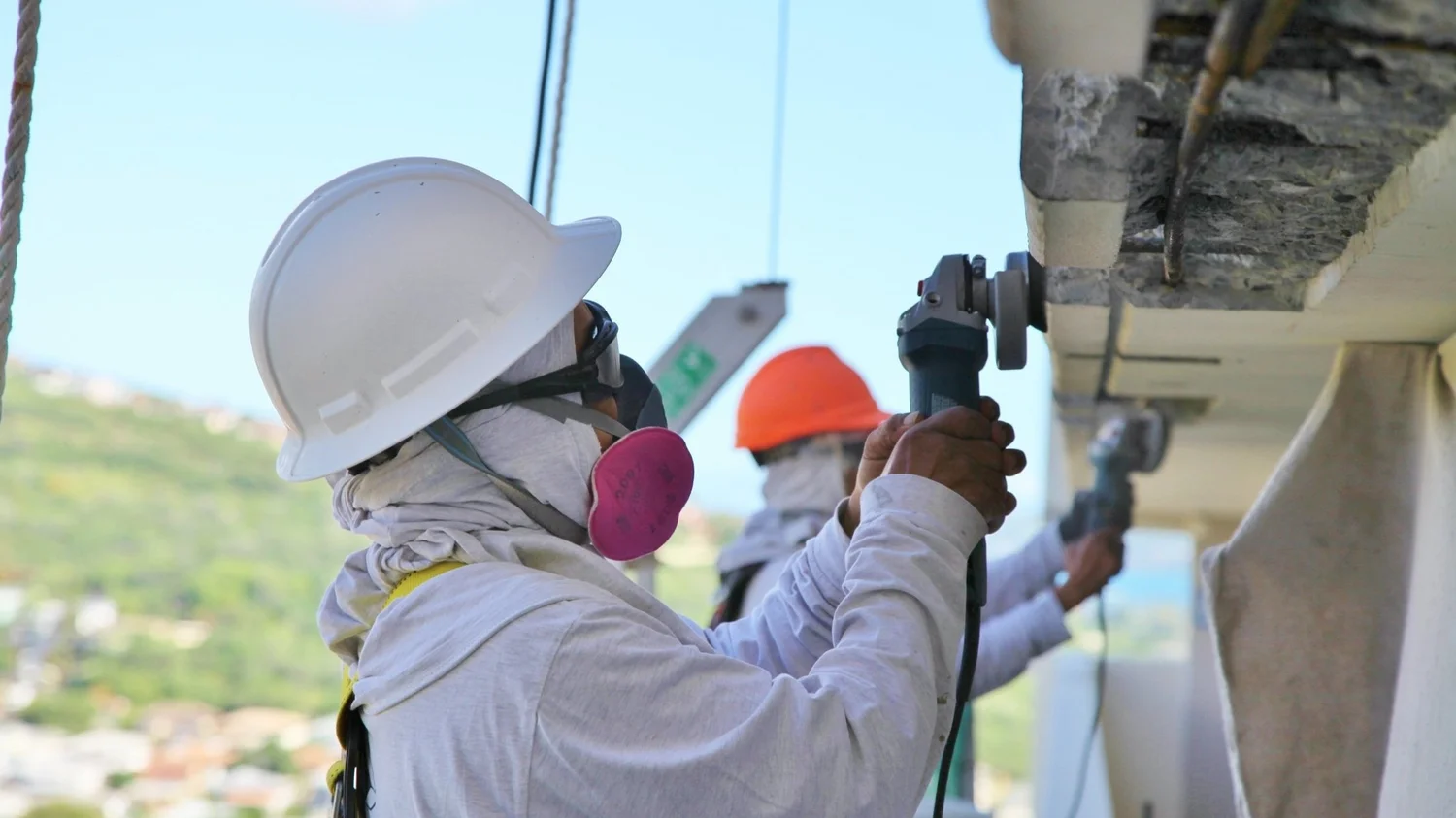
Repairs typically start with removing loose concrete until a sound substrate is reached. Steel is then cleaned, treated, and protected before new repair material is placed. Proper bonding, cure time, and finish work help the patch perform like the surrounding slab.
Material choice matters, since some mixes shrink or crack without correct formulation. Good repairs also include water control measures such as sealers or coatings, where appropriate. Done correctly, repairs restore strength and reduce future moisture intrusion.
Why Local Expertise Improves Results
Structures in Honolulu face unique exposure from salt spray, trade winds, and constant humidity. Spall repair specialists in Honolulu, HI, select systems that fit these conditions and meet local expectations for durability. They also understand staging, access needs, and safety practices for occupied properties.
Local experience helps with matching finishes on visible areas like lanais and building facades. It also supports better planning for weather windows and cure conditions. The result is a repair that looks cleaner and holds up longer in the island environment.
Maintenance Tips After Repairs
After repairs, protect surfaces with sealers or coatings when recommended by your contractor. Keep drainage paths clear and address cracks early before they become water channels. Regular inspections help you spot new problem areas before they expand.
Schedule periodic checks for balconies, parking decks, and exposed slab edges. Simple upkeep can extend repair life and reduce the need for repeat work. A proactive plan protects property value and supports tenant safety.
Concrete spalling in Honolulu should be treated early to protect safety and reduce long-term costs. Proper diagnosis, careful prep, and durable materials make repairs more reliable and visually consistent. With local expertise and ongoing maintenance, property owners can keep concrete structures strong and resilient.