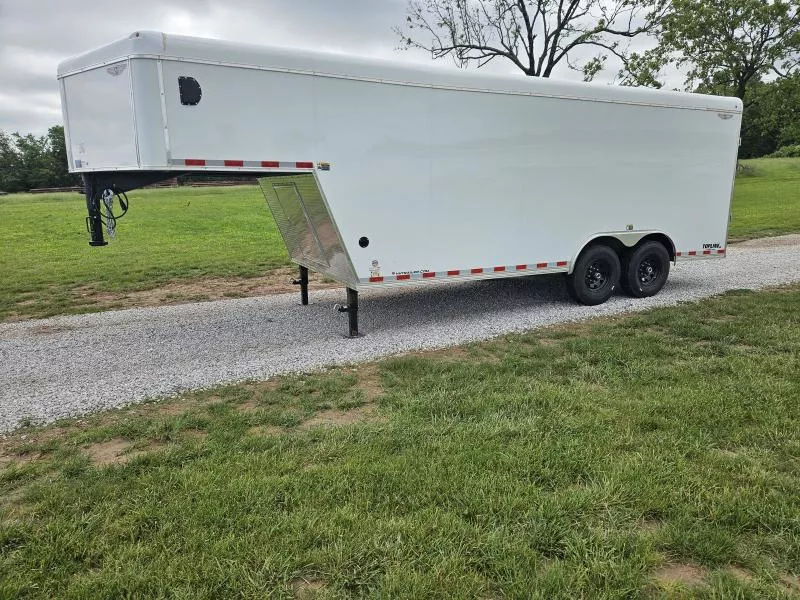
Transporting heavy or valuable cargo requires equipment that offers durability, security, and reliable performance. A gooseneck enclosed trailer is a popular solution for individuals and businesses that need enhanced stability and protection while hauling equipment, vehicles, or commercial goods. Its unique hitch design connects over the rear axle of a pickup truck, providing improved weight distribution and greater control compared to standard bumper-pull trailers.
Choosing the right gooseneck enclosed trailer involves more than selecting a model that looks sturdy. Buyers must evaluate size requirements, construction materials, cargo capacity, and essential features that support safe and efficient transportation. Making an informed decision ensures long-term value, better towing performance, and protection for valuable cargo.
A high-quality gooseneck enclosed trailer offers advantages for contractors, motorsport enthusiasts, mobile businesses, and agricultural operations. The enclosed design shields cargo from harsh weather, road debris, and theft while maintaining a professional appearance. With numerous options available in the market, understanding key buying considerations helps narrow choices and prevents costly mistakes.
Understanding Size, Capacity, and Towing Requirements
Selecting the correct size is one of the most important steps when buying a gooseneck enclosed trailer. The trailer must accommodate cargo comfortably without exceeding towing limits. Length, width, and interior height should match the type of equipment or materials being transported.
Longer trailers provide additional space for vehicles, machinery, or bulk goods, making them ideal for commercial use. However, increased length also affects maneuverability, especially in tight areas or urban environments. Buyers should consider their typical routes and parking conditions before committing to a larger model.
Weight capacity is another crucial factor. Every gooseneck enclosed trailer has a Gross Vehicle Weight Rating that determines the maximum safe load it can carry. Exceeding this limit can strain the towing vehicle, reduce braking efficiency, and increase the risk of accidents. Understanding payload capacity ensures safe and legal transportation.
Axle configuration directly influences load distribution and stability. Tandem axles are common and provide balanced support for moderate loads, while triple axles handle heavier cargo with improved road stability. The right configuration depends on how frequently heavy loads are transported.
Towing compatibility must also be evaluated. A gooseneck hitch requires a pickup truck equipped with a bed-mounted coupling system. The towing vehicle should have sufficient engine power and torque to handle the combined weight of the trailer and cargo. Proper brake controllers and towing packages enhance safety and performance.
Interior dimensions matter as much as exterior measurements. Adequate ceiling height prevents restrictions when loading tall equipment. Wider interiors allow easier movement and more efficient cargo arrangement.
Choosing Durable Construction and Reliable Materials
The durability of a gooseneck enclosed trailer depends heavily on the materials used in its construction. Steel and aluminum are the two most common options, each offering distinct advantages.
Steel trailers are known for their strength and affordability. They handle heavy-duty tasks well and provide a solid structure for transporting industrial equipment. However, steel requires regular maintenance to prevent rust and corrosion, especially in humid or coastal regions.
Aluminum trailers are lighter and naturally resistant to corrosion. Reduced weight improves fuel efficiency and allows for higher payload capacity. Although aluminum models typically cost more upfront, they often require less maintenance and offer long-term savings.
Frame design also affects overall durability. Reinforced frames provide structural stability and minimize flexing under heavy loads. Weld quality and joint strength should be inspected carefully to ensure reliability during extended use.
Wall and roof construction determine protection against environmental elements. Seamless aluminum panels and leak-resistant roofing prevent water damage to cargo. Insulated walls may benefit those transporting temperature-sensitive goods or valuable equipment.
Flooring materials must withstand heavy loads and frequent use. Pressure-treated wood flooring offers durability and grip, while aluminum flooring provides easier cleaning and moisture resistance. Anti-slip surfaces improve safety during loading and unloading.
Door construction is equally important. Rear ramp doors support smooth loading of vehicles and heavy equipment, while barn-style doors offer quick access to stored materials. Strong hinges and secure locking mechanisms enhance both convenience and security.
Ventilation systems prevent moisture buildup inside the gooseneck enclosed trailer. Proper airflow reduces condensation that could damage sensitive cargo. Roof vents and side vents maintain a balanced interior climate.
Features That Improve Functionality and Convenience
Modern trailers include features that enhance usability and make transportation more efficient. Lighting systems are essential for safe loading and unloading, especially in low-light conditions. Interior LED lighting improves visibility while using minimal power.
Tie-down systems secure cargo during transit. Built-in D-rings, E-track systems, and adjustable straps prevent movement that could cause damage or imbalance. Proper cargo management reduces risks associated with sudden stops or sharp turns.
Suspension systems affect ride quality and cargo protection. Advanced suspension reduces vibrations and road shock, preserving delicate equipment and improving towing comfort.
Brake systems must provide reliable stopping power. Electric brakes offer responsive control, while hydraulic systems deliver smoother braking performance. Breakaway safety systems activate brakes automatically if the trailer disconnects from the towing vehicle.
Storage compartments add organizational convenience. Built-in cabinets and toolboxes help separate equipment and maintain a clutter-free interior. Organized storage saves time during loading and unloading.
Security features protect valuable cargo from theft. Reinforced locks, tamper-resistant latches, and heavy-duty door bars deter unauthorized access. Some owners install alarm systems or GPS trackers for additional protection.
Climate control options may benefit businesses transporting sensitive materials. Air conditioning units and heating systems maintain stable interior conditions throughout long journeys.
Exterior finishes also contribute to longevity and aesthetics. Protective coatings shield surfaces from scratches and environmental damage. A polished exterior creates a professional appearance for commercial operations.
Customization Options for Specialized Needs
Customization allows buyers to tailor a gooseneck enclosed trailer according to specific hauling requirements. Interior shelving and partitions create separate compartments for tools, equipment, or merchandise.
Additional height extensions accommodate oversized cargo such as construction machinery or stacked goods. Extra-wide ramps simplify loading for vehicles with low ground clearance.
Electrical packages support powered equipment and interior appliances. Onboard generators and battery systems provide reliable energy sources during remote operations.
Awning installations offer shade and weather protection, particularly useful for mobile businesses and event vendors. Exterior access doors provide quick entry without opening the main cargo area.
Branding opportunities allow businesses to display logos and contact details on trailer exteriors. Professional graphics enhance visibility and marketing impact during travel.
Budget Planning and Long-Term Value Considerations
Purchasing a gooseneck enclosed trailer is a significant investment that requires careful budgeting. Prices vary based on size, materials, and included features. Buyers should balance upfront costs with long-term benefits.
Cheaper models may save money initially but could require more frequent repairs and maintenance. Higher-quality construction often reduces long-term expenses by improving durability and performance.
Financing options help spread costs over manageable payment plans. Many dealers offer flexible terms for commercial buyers and individuals.
Insurance coverage protects against unexpected damage or theft. Comprehensive policies provide peace of mind and financial security.
Resale value is another important consideration. Well-maintained trailers built with durable materials retain value better over time. Popular brands and high-demand features improve resale opportunities.
Maintenance costs should also be factored into the purchase decision. Routine inspections, tire replacements, brake servicing, and structural upkeep ensure long-term safety and reliability.
Fuel efficiency is influenced by trailer weight and aerodynamic design. Lighter models reduce strain on towing vehicles and lower fuel consumption during long trips.
Making a Confident and Practical Purchase Decision
Choosing the right gooseneck enclosed trailer involves evaluating hauling needs, towing capacity, material durability, and desired features. Buyers who prioritize safety, cargo protection, and long-term performance gain greater value from their investment.
Careful research and comparison help identify models that match specific transportation demands. Inspecting build quality, testing door mechanisms, and reviewing warranty coverage provide additional confidence.
A well-selected gooseneck enclosed trailer becomes a reliable asset for commercial operations, recreational hauling, and heavy-duty transport tasks. Investing in the right model ensures smoother travel, better cargo protection, and dependable performance for years to come.